Southeast Asian dramas and films have steadily gained recognition for their emotional storytelling, cultural richness, and unique cinematic voices. Rooted in diverse traditions and shaped by complex histories, the region’s entertainment industry reflects a vibrant mix of heritage, religion, colonial influence, and modern global trends. From deeply spiritual narratives to bold, contemporary storytelling, Southeast Asian productions continue to evolve while staying grounded in their cultural identities.
Philippines: Faith, Family, and Folk Narratives
Colonial Influence & Catholicism
The Philippines’ long history under Spanish rule has left a lasting imprint on its storytelling, particularly through Catholic values and family-centered narratives. Filipino dramas often explore themes of faith, sacrifice, redemption, and moral dilemmas, reflecting the strong role religion plays in everyday life. Stories frequently revolve around tight-knit families, personal struggles, and the enduring belief in hope and miracles.
Western Influence & Modern Romance
American influence is also deeply embedded in Filipino entertainment. Many films adopt Hollywood-style storytelling, particularly in romantic comedies and dramas. The use of English dialogue, Western-inspired fashion, and global music trends adds a modern, relatable touch while still centering Filipino experiences—especially stories about overseas workers, ambition, and love across distances.
Folklore & Horror Traditions
Filipino folklore remains a powerful storytelling force, especially in horror. Mythical creatures like the aswang, manananggal, and tikbalang continue to shape supernatural narratives. These stories blend fear with cultural identity, preserving oral traditions while reimagining them for modern audiences.

Thailand: Spiritual Beliefs and Genre Innovation
Buddhist Philosophy & Mythology
Thai dramas are heavily influenced by Buddhist teachings and regional mythology. Themes such as karma, reincarnation, and spiritual justice are commonly explored, often shaping character arcs and long-term narratives. These elements create emotionally layered stories that reflect Thailand’s spiritual worldview.
Action Cinema & Martial Arts
Thailand has built a strong reputation for action films, particularly through the use of Muay Thai. Its cinema combines raw physicality with stylized choreography, resulting in intense and grounded fight sequences that stand out globally.
Horror & Supernatural Culture
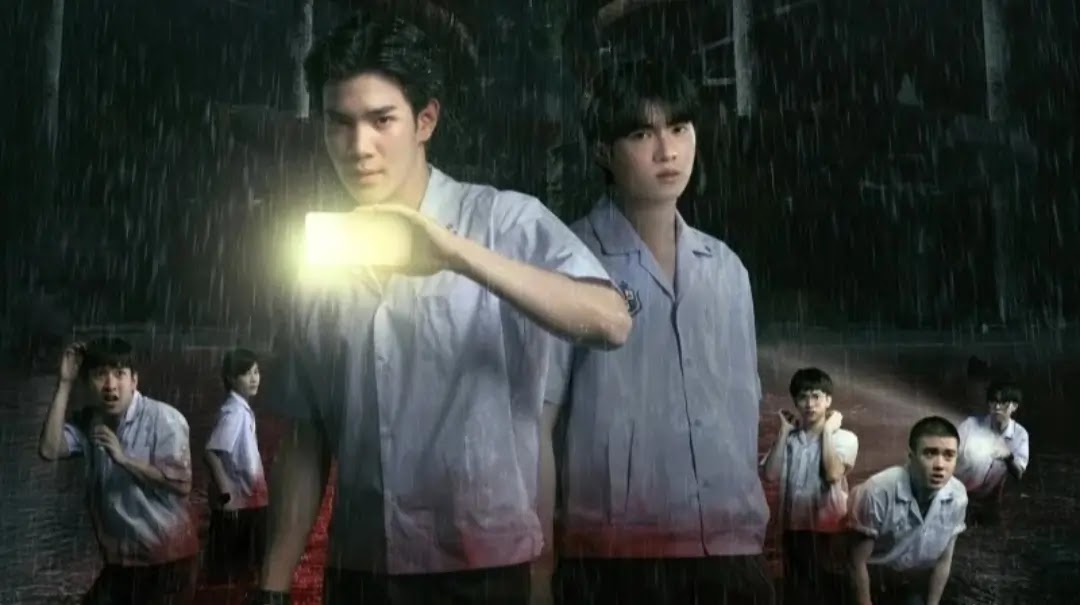
Thai horror is among the most recognized in the region, drawing heavily from beliefs in ghosts and the spirit world. Stories often explore guilt, karma, and unresolved pasts, blending psychological tension with traditional supernatural elements.
Indonesia: Mythology, Religion, and Dramatic Expression
Local Folklore & Mysticism
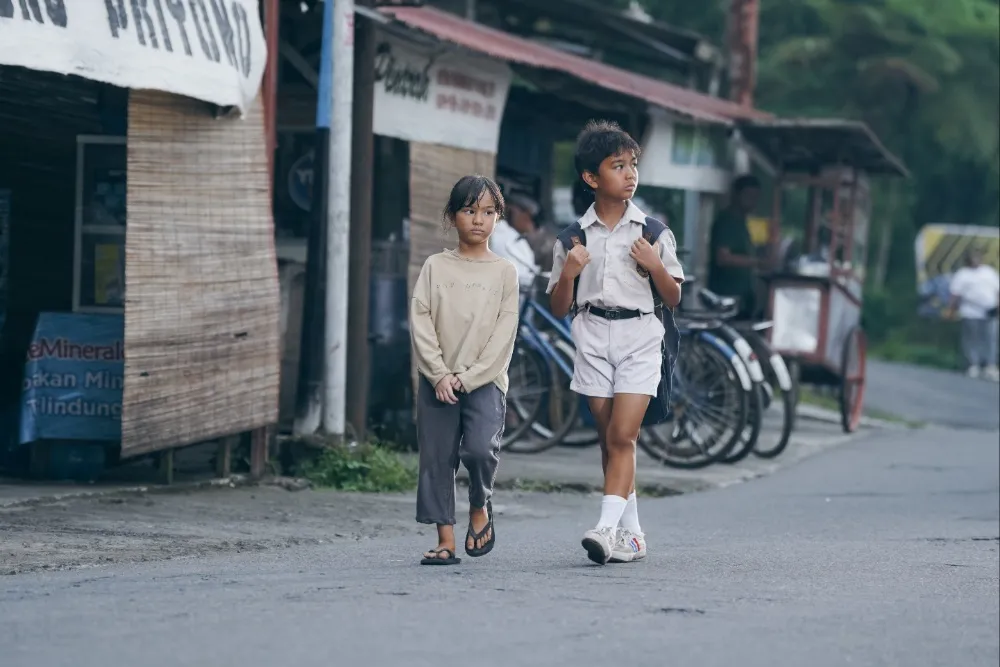
Indonesia’s storytelling is deeply rooted in its diverse cultural traditions, particularly Javanese mysticism and indigenous beliefs. Supernatural themes, spiritual rituals, and ancient legends frequently appear in films and dramas, creating rich and immersive narratives.
Religious and Cultural Diversity
As a predominantly Muslim country with a history influenced by Hindu-Buddhist traditions, Indonesian media often reflects a blend of values. Themes of morality, faith, and community are central, shaping both modern dramas and historical stories.
Melodrama & Regional Influences
Indonesian productions are known for their emotional intensity, often featuring strong family dynamics, romance, and moral conflict. Influences from neighboring cultures contribute to expressive storytelling styles that resonate across Southeast Asia.
Vietnam: History, Resilience, and Family Values
Communist & War-Era Storytelling
Vietnamese cinema has long been shaped by the country’s history of colonization, war, and revolution. Many films focus on themes of national identity, resilience, and the emotional toll of conflict. These narratives often portray everyday life during wartime, highlighting the quiet strength of ordinary people and the sacrifices made for independence. One notable example is The Scent of Green Papaya, a poetic and contemplative film set during the Vietnam War era, which subtly reflects the social and political undercurrents of the time while capturing the beauty of Vietnamese domestic life.
Confucian Family Values
Vietnam holds Confucian ideals at its core, especially when it comes to family structure. Vietnamese dramas frequently explore generational conflicts, the duty of children to their parents, and the complexities of extended family dynamics. These values are depicted with emotional depth, often in stories that resonate with viewers across age groups. Bride of Vietnam is one such drama, centered around familial obligations, personal sacrifice, and the enduring bonds between parents and children. These themes serve as both cultural reflection and moral commentary, preserving traditional values while addressing modern challenges.

Malaysia: Cultural Diversity and Modern Identity
Multicultural Influences
Malaysia’s film and television industry reflects its multicultural society, blending Malay, Chinese, and Indian cultural elements. This diversity is evident in language, themes, and storytelling styles, offering a wide range of perspectives.
Religion and Social Themes
Islam plays a significant role in shaping narratives, particularly in dramas that explore morality, relationships, and societal expectations. At the same time, modern productions increasingly tackle contemporary issues such as identity, youth culture, and urban life.
Singapore: Urban Life and Contemporary Storytelling
Modern, Globalized Narratives
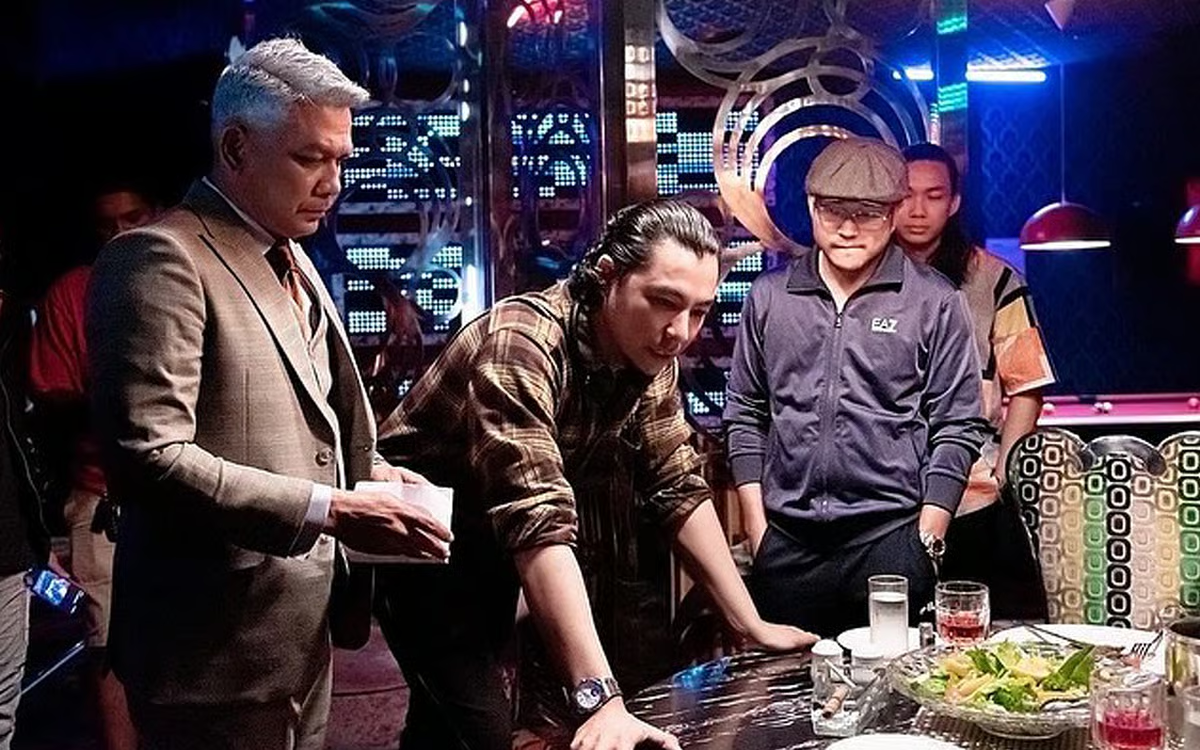
Singaporean films and dramas often focus on urban life, career pressures, and social dynamics in a fast-paced, global city. Stories tend to be grounded and realistic, reflecting everyday struggles and aspirations.
Cross-Cultural Storytelling
With its diverse population, Singapore produces content that blends multiple cultural viewpoints. This results in narratives that are both locally relevant and internationally relatable.

Brunei: Royalty, Religion, and Cultural Traditions
Monarchy & Islamic Influence
Bruneian films and dramas often reflect the nation’s strong Islamic values and the influence of its monarchy. Storylines typically explore themes of faith, duty, and family honor, with narratives highlighting moral lessons rooted in Malay and Islamic traditions. Content is usually wholesome, emphasizing societal harmony and respect for authority.
Cultural Heritage & Local Folklore
Traditional arts, music, and folklore play a subtle but important role in storytelling. While the industry is small, productions frequently feature royal ceremonies, local legends, and cultural rituals that preserve Brunei’s identity for modern audiences.
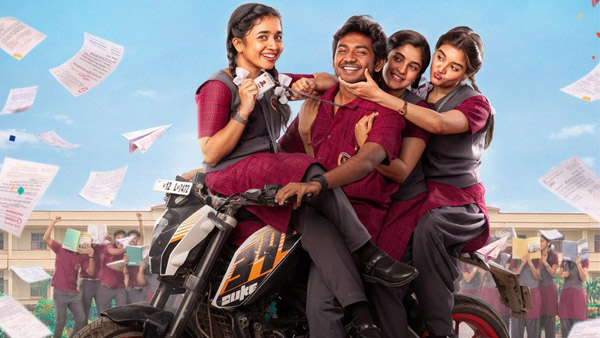
Cambodia: History, Folklore, and Buddhist Philosophy
Khmer History & Epic Tales
Cambodian dramas and films often draw inspiration from the nation’s rich history, including the Angkor era and royal epics. Storylines explore loyalty, heroism, and cultural pride, keeping ancient Khmer narratives alive.
Buddhist Themes & Spirituality
Buddhism heavily influences Cambodian storytelling. Films often explore moral lessons, karma, and spiritual journeys, blending entertainment with ethical reflection.
Folklore & Horror
Local legends, such as the tales of the ap (a traditional Cambodian ghost), are frequently adapted into horror films. These supernatural stories combine suspense with cultural heritage, offering insight into Cambodia’s beliefs and values.
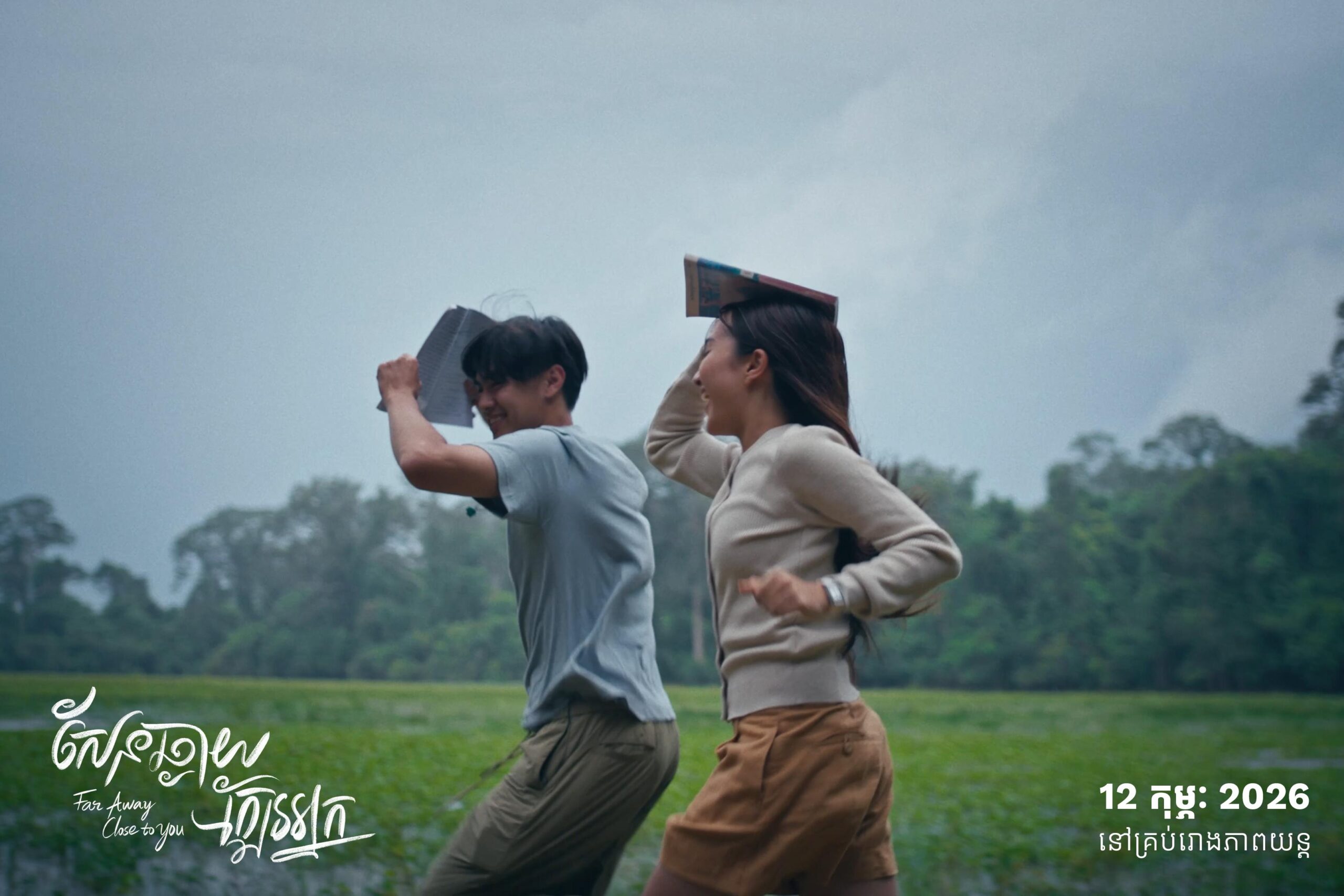
Laos: Rural Life, Spirituality, and Folklore
Pastoral Storytelling
Laotian cinema often emphasizes rural life, natural landscapes, and simple village narratives. Stories explore family bonds, tradition, and daily struggles, offering a contemplative glimpse into Lao culture.
Spirituality & Buddhist Values
Buddhism influences much of Laos’ storytelling. Themes of karma, meditation, and moral lessons are common, giving films a reflective, slow-paced tone.
Folklore & Myth
Laotian folklore, including spirits (phi) and mythical creatures, frequently shapes drama and horror, preserving cultural traditions through cinematic expression.
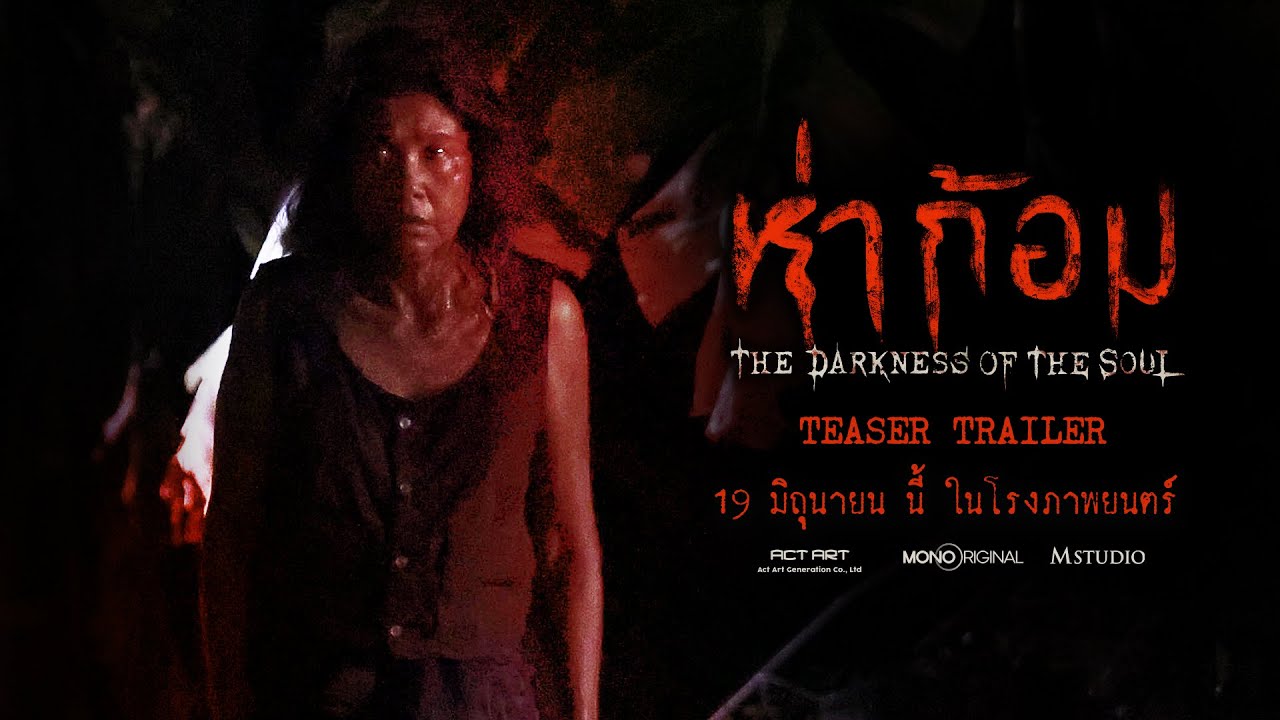
Myanmar: Buddhism, Legends, and Historical Epics
Historical Dramas
Myanmar’s film industry often focuses on stories from its rich royal history, showcasing kings, battles, and courtly traditions. These films explore loyalty, honor, and national identity.
Buddhist Philosophy
Much like neighboring countries, Myanmar’s dramas are influenced by Buddhist teachings. Themes of compassion, morality, and spiritual enlightenment frequently shape character arcs and plotlines.
Folklore & Supernatural Tales
Local myths and supernatural beings, such as nat spirits, inspire many stories. Horror and mystical dramas often explore human interaction with the spiritual realm, blending suspense with cultural reflection.
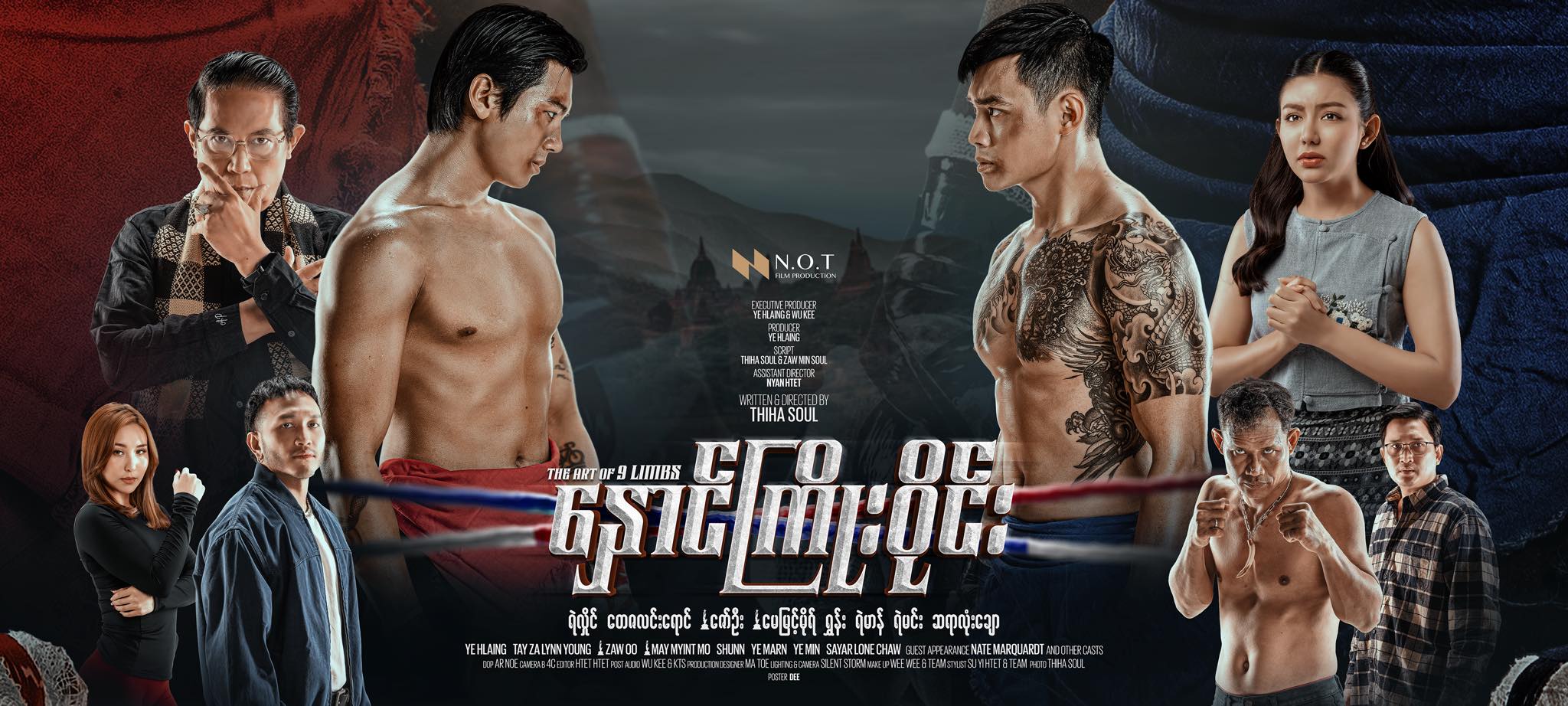
East Timor (Timor-Leste): Independence, Resilience, and Cultural Identity
Post-Independence Narratives
Timorese cinema is small but growing, often focusing on themes of resilience, survival, and the struggles of nation-building. Stories highlight the country’s fight for independence and the emotional aftermath of conflict.
Local Culture & Tradition
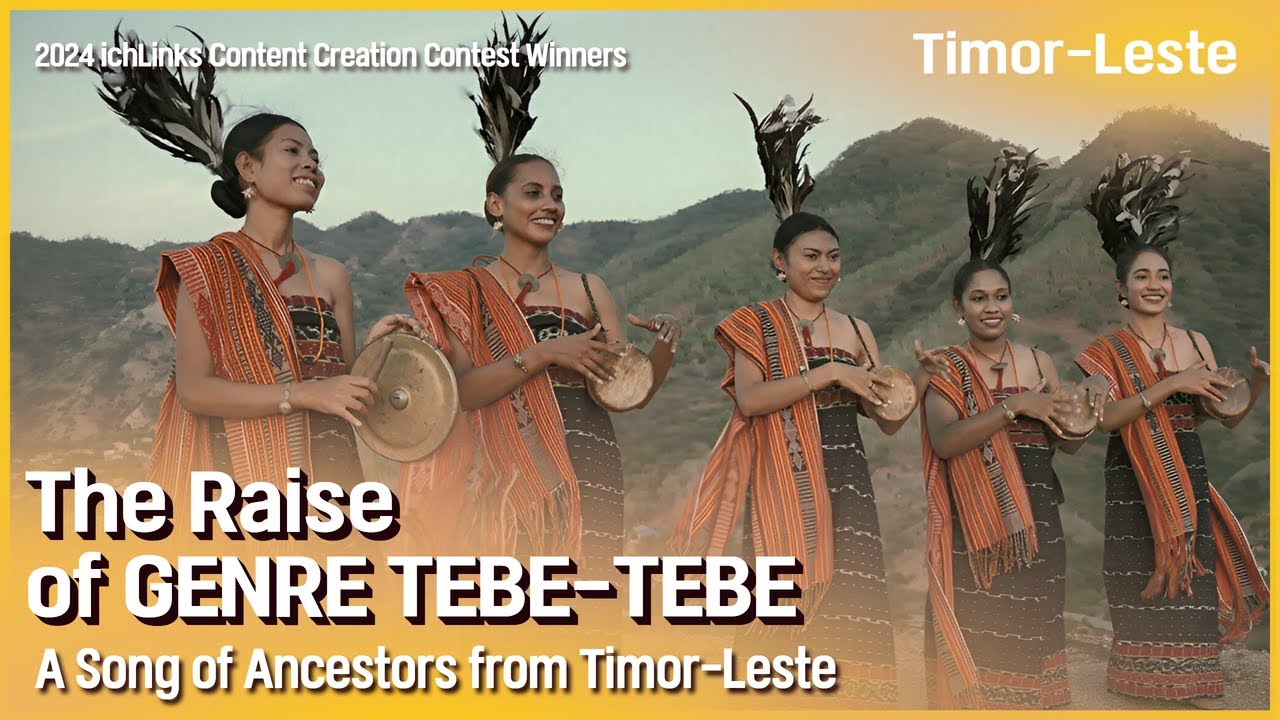
Films frequently feature traditional music, dance, and rituals, reflecting the indigenous cultural identity of East Timor. Storytelling emphasizes community, heritage, and moral lessons.
Emerging Industry
Although resources are limited, East Timor’s filmmakers are increasingly exploring contemporary and historical stories that resonate both locally and internationally, providing unique Southeast Asian perspectives.
The Rise of Southeast Asian Entertainment
The evolution of Southeast Asian dramas and films highlights a powerful blend of tradition and innovation. While each country brings its own cultural identity to the screen, shared themes—such as family, faith, resilience, and the supernatural—create a sense of regional connection.
As global audiences continue to discover Southeast Asian content through streaming platforms and social media, the region is carving out its own space in the international entertainment landscape. These stories not only entertain but also offer deeper insight into the cultures, histories, and values that shape Southeast Asia today.